Two kinds of review
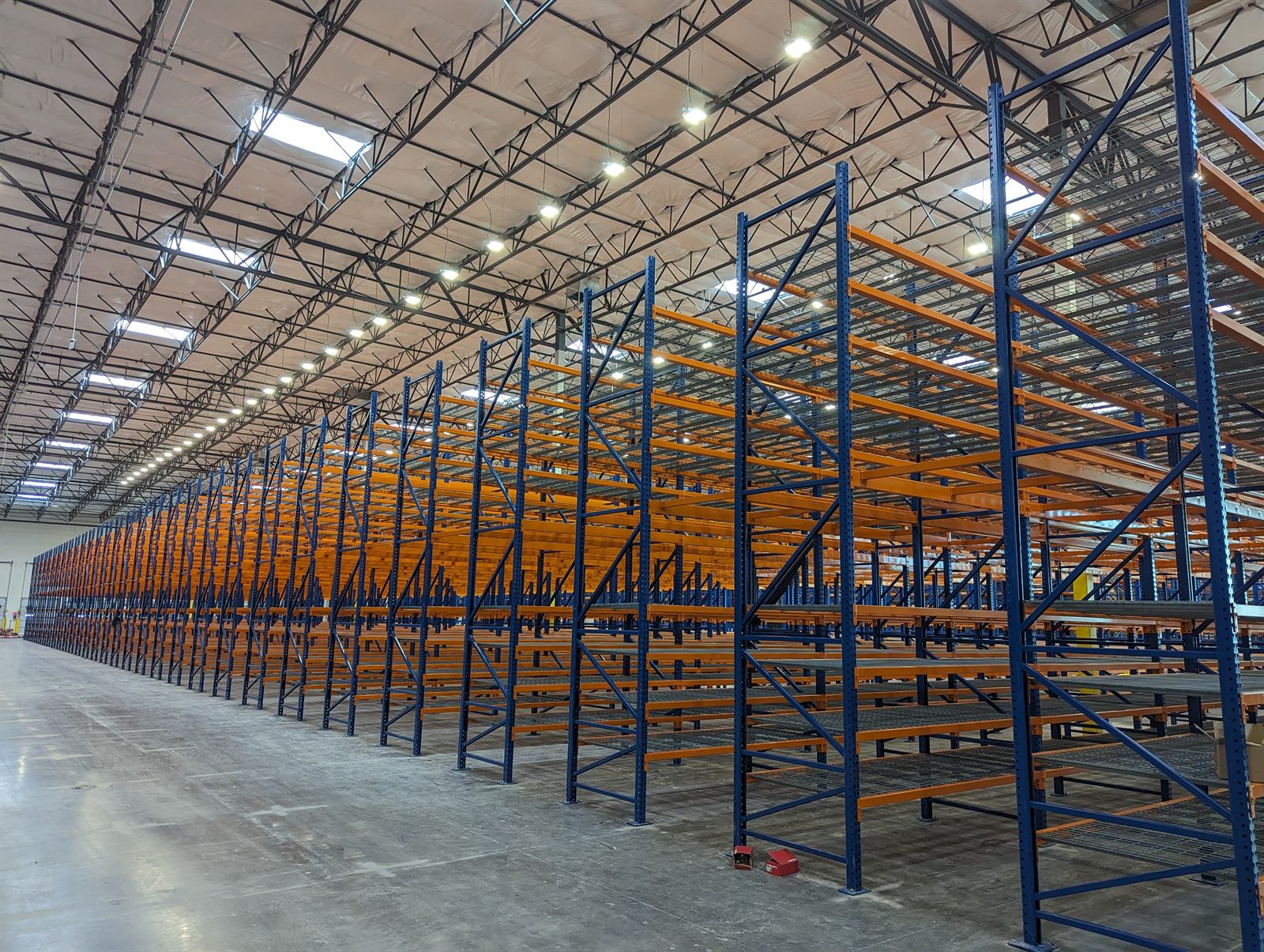
Building permit (structural): storage rack above a certain height is generally treated as a structure. The building department wants stamped structural calculations showing the rack, anchors and slab can handle the design loads — including seismic.
Fire review (high-piled combustible storage): under the International Fire Code, storing combustible commodities above roughly 12 feet (lower for high-hazard commodities) is considered high-piled storage. The fire authority reviews commodity class, storage height, flue spaces, aisle widths, sprinkler design and fire department access.
Jurisdictions we work in
- Clark County (unincorporated — Paradise, Spring Valley, Enterprise, Whitney, Sunrise Manor, Winchester)
- City of Las Vegas
- City of Henderson
- City of North Las Vegas
- Boulder City, Mesquite, and Nye County (Pahrump)
- Washoe County, Reno and Sparks; Maricopa County & Phoenix-area cities; Salt Lake County
What we deliver
- Stamped rack structural calculations (ANSI MH16.1 / IBC, seismic)
- Plan and elevation drawings, anchor and baseplate details
- High-piled storage plans: commodity classification, storage areas, aisle and flue dimensions
- Coordination with your fire sprinkler contractor on density and in-rack sprinkler needs
- Submittal, plan-check responses and inspection attendance
Before you buy rack: sprinkler capacity is the hidden deal-breaker. If your existing sprinkler system isn't designed for the commodity and height you want, you may need in-rack sprinklers or a lower storage height. Call us before signing a lease or ordering steel.
Read our Clark County rack permit guide for a deeper walkthrough.
Frequently asked questions
How long does a rack permit take in Clark County?
It varies with workload and project complexity. Simple rack permits can move in a few weeks; projects needing fire review, sprinkler changes, or plan-check corrections take longer. We give you a realistic estimate at the start.
What happens if my rack isn't permitted?
Unpermitted rack is often discovered during fire inspections, tenant improvements, or when you sell or lease the building. It can lead to correction notices, storage height restrictions, or required removal. The best protection is permitting rack properly from the start.